
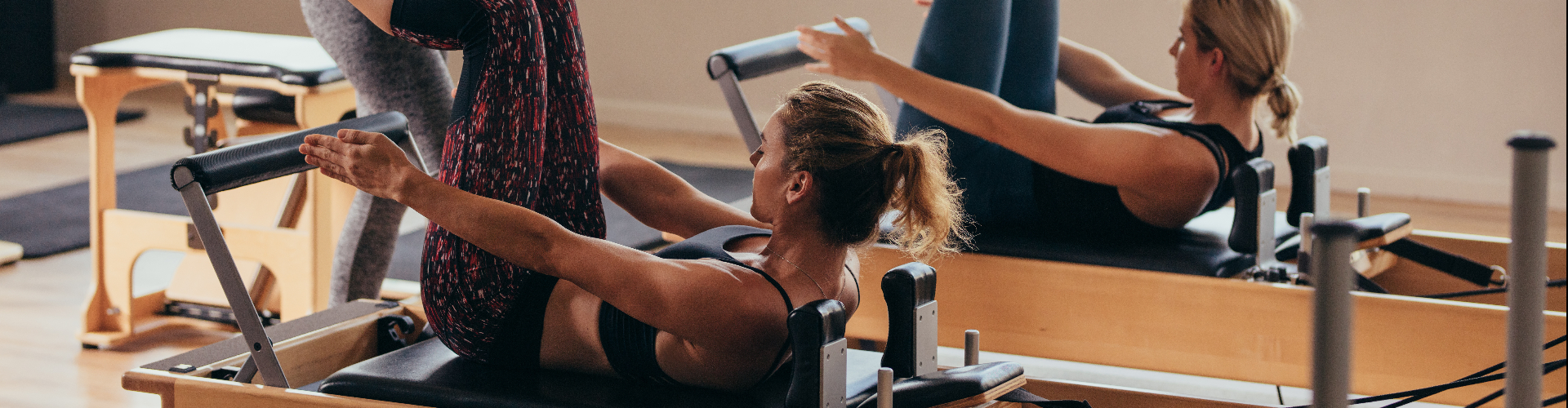
A Movement Approach That Supports Strength, Control, and Recovery
Pilates is a well-established movement method that has been used for many years to support strength, posture, and coordinated movement. Although it is frequently associated with exercise classes, Pilates was originally developed as a structured system designed to improve body control and physical function. Today, it is commonly incorporated into rehabilitation programs to help individuals restore strength and improve movement patterns.
At Apex Performance Therapy, Pilates-based exercises in Rockville, MD are incorporated into rehabilitation programs to help patients build strength, improve posture, and restore efficient movement patterns. This approach emphasizes controlled movements, proper alignment, and breathing techniques that support both physical function and body awareness.
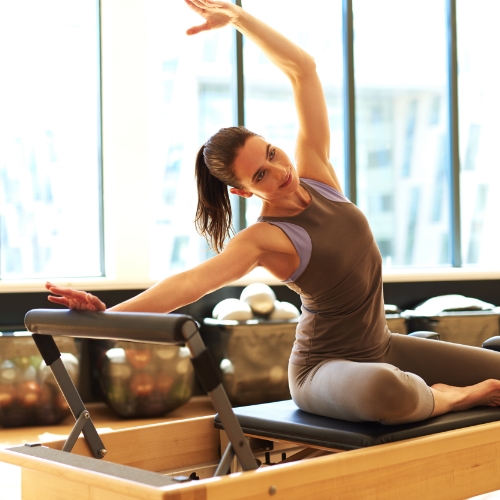
How Pilates Supports Physical Therapy
Pilates exercises focus heavily on strengthening the core muscles, which include the deep abdominal muscles, back muscles, and muscles surrounding the pelvis. These muscles play an important role in supporting posture, balance, and overall movement stability.
When incorporated into rehabilitation, Pilates may help patients:
- Improve core strength and trunk stability
- Enhance posture and body alignment
- Improve coordination and motor control
- Support joint stability during movement
- Reinforce proper breathing patterns during activity
Because Pilates movements emphasize slow, controlled exercises, they can be adapted to meet a wide range of rehabilitation needs.
Conditions That May Benefit From Pilates-Based Therapy
Pilates exercises may be used as part of a rehabilitation plan for individuals recovering from injury, surgery, or musculoskeletal conditions that affect movement and posture.
Examples include:
- Prenatal and postpartum rehabilitation
- Recovery following joint replacement surgery
- Shoulder or neck injuries
- Recovery after spinal injury or spinal surgery
- Scoliosis and posture-related conditions
- Movement limitations related to muscular weakness or poor motor control
Pilates-based exercises are typically integrated into a broader rehabilitation program that addresses each patient’s individual goals and functional needs.
What to Expect During Pilates-Based Therapy
Pilates-based rehabilitation begins with a movement assessment to understand posture, flexibility, strength, and control of the core muscles.
Therapists then guide patients through exercises that focus on:
- Core stability and trunk control
- Controlled strengthening movements
- Postural alignment during movement
- Breathing coordination with physical activity
- Gradual progression of functional movements
These exercises may be performed on a mat or with specialized equipment, depending on the patient’s needs and the goals of treatment.
A Whole-Body Approach to Movement
Pilates places strong emphasis on mindful movement and body awareness. By improving how the body moves as a whole system, this approach can help reinforce efficient movement patterns that support everyday activities.
At Apex Performance Therapy, Pilates-based therapy is used as part of a comprehensive rehabilitation strategy designed to restore strength, improve posture, and support long-term movement health.
Discover How Pilates Can Support Your Recovery
Improving strength, posture, and movement control can play an important role in rehabilitation and long-term physical health. If you are recovering from an injury, managing a musculoskeletal condition, or looking to improve body mechanics, the team at Apex Performance Therapy in Rockville, MD can determine whether Pilates-based therapy may be appropriate as part of your rehabilitation plan.