Personalized Physical Therapy Focused on Your Goals
If you’re looking for physical therapy, you may want help moving with less discomfort, building strength, or returning to activities that matter to you. Physical therapy is a healthcare service that focuses on improving movement, reducing limitations, and restoring function through guided exercise, hands-on care, and education. Many people choose physical therapy to improve daily tasks such as walking, lifting, reaching, or returning to sport. At Apex Performance Therapy, our physical therapists provide individualized physical therapy in Rockville, MD with a clear plan built around your goals and measurable progress.
What Physical Therapy Means for Everyday Life
Physical therapy helps people move better. Our physical therapist evaluates how joints, muscles, nerves, and balance systems work together. When pain, stiffness, weakness, or injury affects movement, therapy provides structured steps to restore function.
Patients often ask about physical therapy because they want to return to work, exercise, or daily routines without ongoing limitations. Some people seek care after surgery. Others want help with chronic pain, sports injuries, balance concerns, or posture related discomfort. The common goal is improved function and greater confidence in movement.
When Physical Therapy May Help
People seek physical therapy for many reasons. Common concerns include:
- Pain with movement
- Joint stiffness
- Muscle weakness
- Reduced endurance
- Balance difficulties
- Trouble returning to normal activity
Physical therapy at Apex Performance Therapy often supports recovery after injury, surgery, or gradual onset conditions. Our physical therapist evaluates the root cause of movement limitations and creates a structured plan to address them.
Common Situations Where Physical Therapy May Help
- Low back discomfort
- Neck discomfort
- Shoulder Pain
- Knee pain
- Post surgical recovery
- Sports related injuries
- Balance and fall concerns
- Work related strain
- Difficulty walking or climbing stairs
- Muscle tightness or mobility limits
Each plan depends on an individual evaluation.
How Care Progresses at Apex Performance Therapy
Care begins with a full evaluation. Our physical therapist reviews your medical history, discusses goals, and measures strength, mobility, balance, and movement quality. Together, you will define clear, measurable goals.
The plan should match your symptoms, goals, and medical history. Many treatment plans include a mix of hands-on care, exercise, and education. Progress should be measurable and adjusted over time. If symptoms worsen or do not improve, our physical therapist can reassess.
Common approaches used in physical therapy include:
- Therapeutic exercise, which improves strength and endurance
- Movement retraining, which enhances coordination and posture
- Manual therapy, which improves joint and soft tissue mobility
- Balance training, which increases stability and confidence
- Education, which supports long term self management
- Functional training, which prepares you for daily tasks
Physical therapy works best as part of a full plan that includes exercise, movement training, and education.
Specialized Services We Offer at Apex Performance Therapy
ACL Injury Prevention
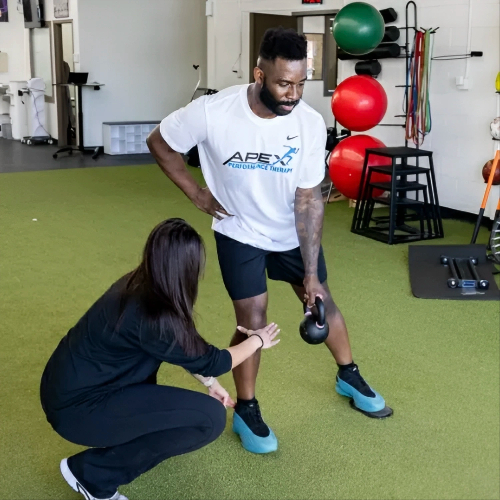
ACL injury prevention focuses on reducing the risk of knee ligament injury during activities that involve jumping, cutting, pivoting, or sudden changes in direction. Many ACL injuries occur when the knee collapses inward or when landing mechanics place excessive strain on the joint. Our physical therapist evaluates hip strength, core stability, landing control, and lower extremity alignment to identify movement patterns that increase risk.
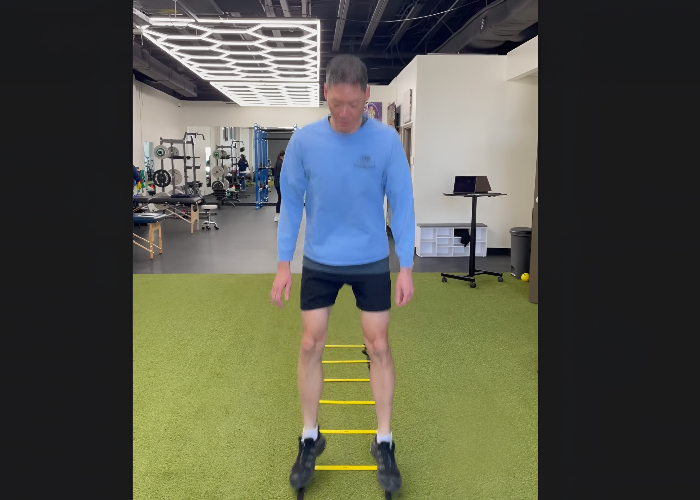
A prevention program typically includes progressive strengthening of the hips and legs, balance training, agility drills, and guided jump mechanics. Athletes learn how to control knee position during high demand movements. This structured approach improves body awareness and muscular coordination, which can reduce stress on the ACL. Programs are tailored to the athlete’s age, sport, and competition level to ensure relevance and safety.
Biofeedback
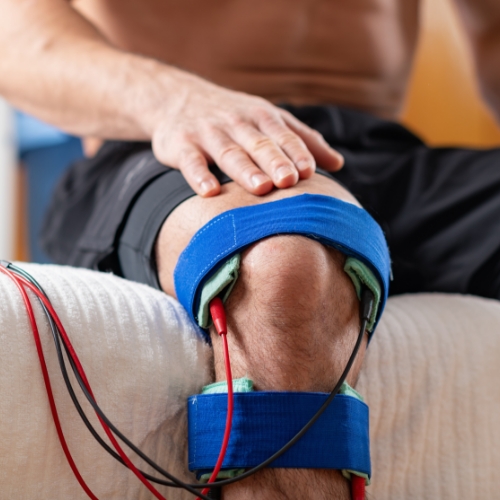
Biofeedback is a tool that helps patients understand how specific muscles are functioning in real time. Small sensors detect muscle activity and display information on a screen, allowing patients to see when a muscle contracts or relaxes. Our physical therapist uses biofeedback most often for pelvic floor dysfunction, post-surgical muscle activation, or conditions where coordination is more important than raw strength.
Many patients struggle to feel whether they are using the correct muscle. Biofeedback provides immediate feedback, which improves learning and muscle control. Over time, this awareness translates into better functional performance during daily tasks. Biofeedback does not replace exercise. Instead, it enhances precision and supports a more effective rehabilitation program.
Blood Flow Restriction
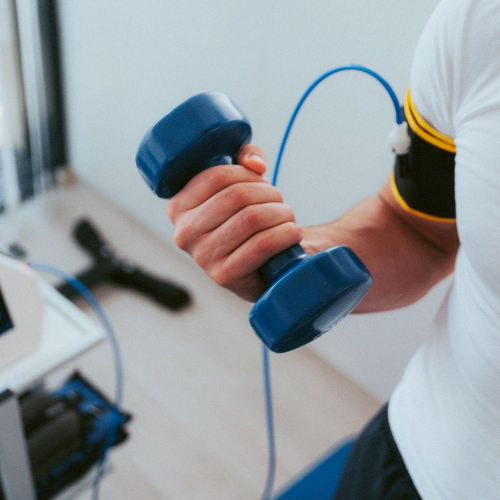
Blood flow restriction training allows patients to build strength using lighter weights. A specialized cuff is placed on the arm or leg to partially restrict venous blood flow while allowing arterial inflow. This controlled method creates a strengthening response similar to heavier resistance training.
Our physical therapist carefully screens each patient to ensure this technique is appropriate. Blood flow restriction is often helpful after surgery or during periods when joint pain limits the ability to lift heavier loads. Patients can improve muscle strength while placing less mechanical stress on healing tissues. The technique is always supervised and integrated into a broader exercise program focused on progressive loading and safe advancement.
Concussion Therapy
Concussion therapy addresses lingering symptoms after a mild traumatic brain injury. Patients may experience headaches, dizziness, balance problems, neck stiffness, or difficulty concentrating. Our physical therapist evaluates vestibular function, eye tracking, cervical mobility, and activity tolerance to identify contributing factors.
Treatment may include gradual aerobic exercise, gaze stabilization exercises, balance training, and neck mobility work. The program progresses step by step to avoid symptom flare ups while improving tolerance to daily activity. Patients often want to return to school, work, or sport safely. A structured concussion rehabilitation plan provides monitored progression and clear criteria for increasing activity levels. Care is individualized and adjusted based on symptom response.

Cupping
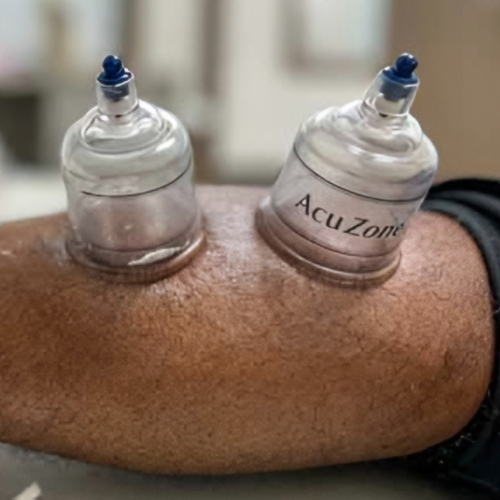
Cupping is a soft tissue technique that uses gentle suction to lift the skin and underlying tissue. The goal is to improve mobility of fascia and muscle layers. Our physical therapist may use cupping when soft tissue restrictions contribute to stiffness or limited range of motion.
Cupping often creates temporary circular marks on the skin that fade over several days. Patients typically report a feeling of reduced tightness after treatment. The technique is most effective when combined with corrective exercises and movement retraining. Cupping is not a standalone solution. It supports the larger rehabilitation plan by preparing tissues for improved motion and strengthening.
IASTM
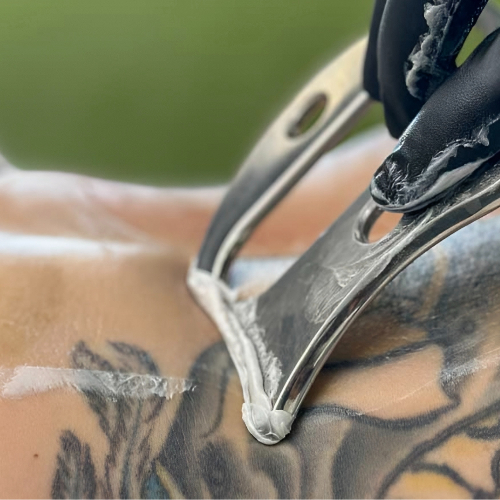
Instrument-assisted soft tissue mobilization (IASTM) uses specialized tools to address restrictions in soft tissue. Our physical therapist glides the instrument across the skin to detect and treat areas of stiffness. The goal is to improve tissue mobility and support better range of motion.
Patients may experience mild redness following treatment. IASTM often prepares the area for corrective exercise by improving mobility before strengthening begins. This technique supports improved movement quality but remains one component of a comprehensive physical therapy plan.
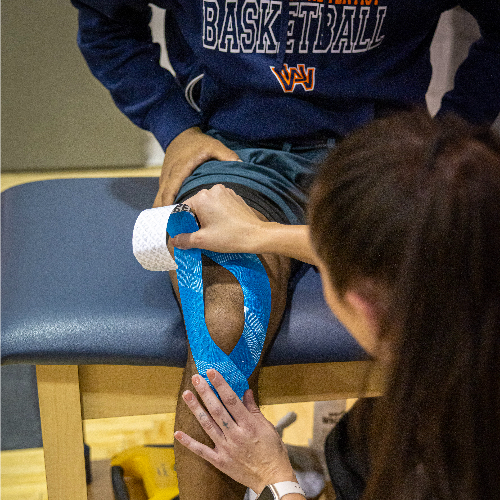
Kinesio Taping
Kinesio taping involves applying flexible elastic tape to the skin to support muscles and joints during activity. The tape does not restrict motion. Instead, it provides sensory feedback that can improve body awareness.
Our physical therapist may use taping to support posture, reduce strain during activity, or enhance muscle activation. Taping is often helpful during return to sport or while building strength. The tape typically stays in place for several days and is safe for most skin types. It works best as part of a broader treatment program.
Manual Therapy
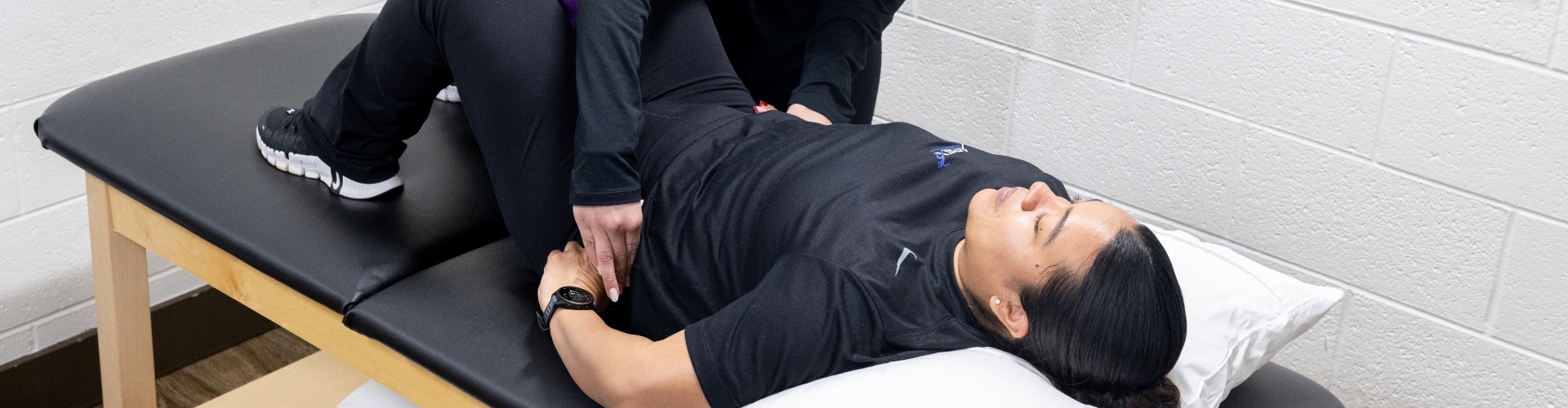
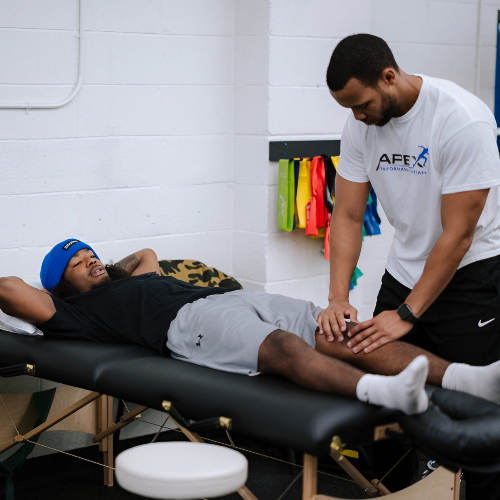
Manual therapy includes hands-on techniques used to improve joint mobility and soft tissue flexibility. Our physical therapist may use joint mobilization, soft tissue mobilization, or muscle stretching to address stiffness and restricted movement.
Manual therapy helps prepare the body for active rehabilitation. Improved mobility often allows patients to perform strengthening exercises more effectively. While manual therapy can reduce short term stiffness, long term improvement depends on active participation in exercise and movement retraining. This combination approach supports durable functional gains.
A Team Focused on Your Progress
Patients who choose Apex Performance Therapy for physical therapy in Rockville, MD receive attentive, individualized care. Our physical therapist explains each step clearly and involves you in decision making. We measure progress and adjust plans as needed.
Our clinic emphasizes:
- Individualized treatment plans
- Evidence-informed clinical decisions
- Clear communication
- Measurable goals
- Long term self management
What to Expect During Physical Therapy at Apex Performance Therapy
Your physical therapist will start with a full evaluation. The plan should match your symptoms, goals, and medical history. Many treatment plans include a mix of hands-on care, exercise, and education. Progress should be measurable and adjusted over time. If symptoms worsen or do not improve, our physical therapist can reassess and modify your plan.
Follow up visits focus on guided exercise, movement training, and steady progression toward functional goals.
Start Your Care with a Clear Plan
Physical therapy supports improved movement, strength, and daily function. A comprehensive evaluation and individualized plan can help you move forward with confidence. Contact Apex Performance Therapy to schedule an appointment or ask questions about our approach to physical therapy. Our physical therapists in Rockville, MD are ready to help you take the next step toward better movement and long term health.