
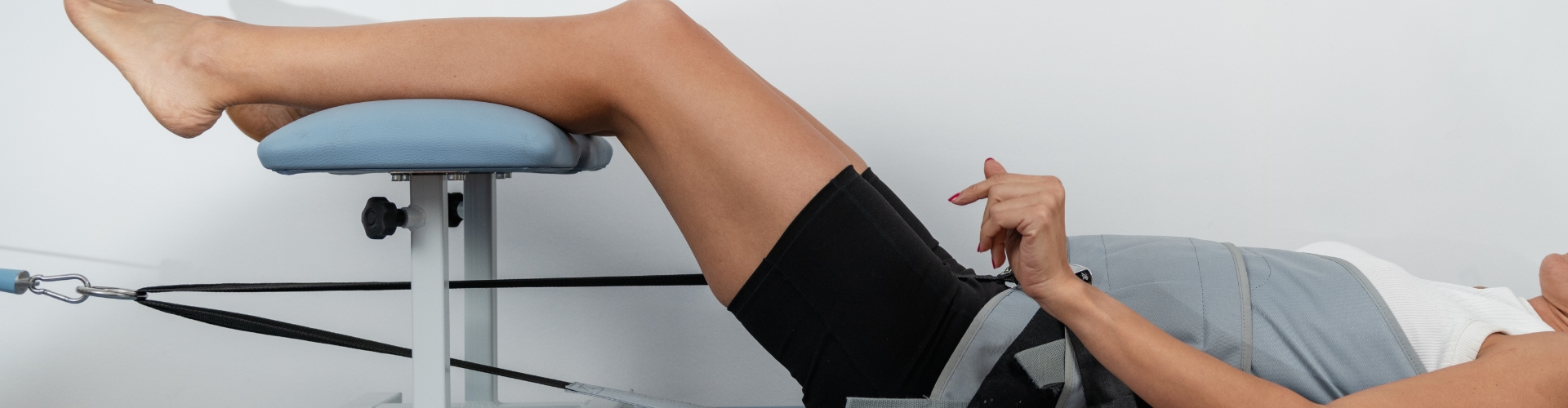
Non-Surgical Therapy to Reduce Pressure on the Spine
Back and neck pain can make everyday activities more difficult, from sitting at a desk to enjoying time with family or staying active. When spinal structures become irritated or compressed, symptoms may affect mobility, comfort, and overall function. At Apex Performance Therapy, spinal decompression therapy in Rockville, MD is used as a non-surgical approach that may help reduce pressure on spinal structures and support recovery.
Spinal decompression is designed to gently stretch the spine in a controlled way. This process may help reduce stress on the discs and surrounding structures that contribute to back or neck symptoms.
What Spinal Decompression Is
Spinal decompression is a therapeutic technique that applies controlled traction to the spine. This gentle stretching changes the forces acting on the spinal discs and joints.
Spinal discs act as cushions between the vertebrae. When these discs become compressed or irritated, they may contribute to symptoms such as back pain, stiffness, or nerve-related discomfort. Decompression therapy is designed to reduce pressure within the spinal discs, which may help relieve stress on nearby nerves and tissues.
By altering pressure within the spine, decompression may also help support circulation of oxygen, fluids, and nutrients to the spinal discs.
What Happens During a Spinal Decompression Session
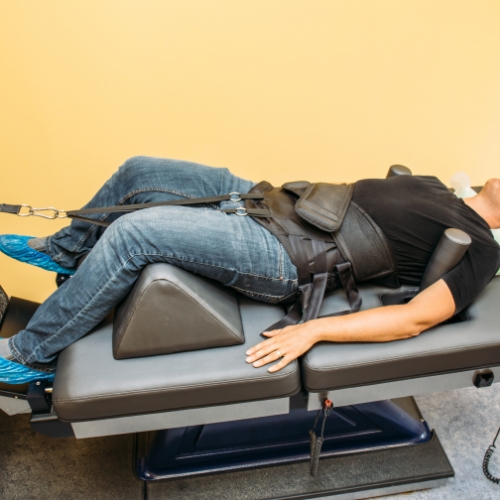
Spinal decompression sessions are typically performed on a specialized therapy table. During treatment, the patient remains fully clothed while secured with supportive harnesses that help guide the movement of the spine.
A therapist positions the patient comfortably and adjusts the equipment according to the individualized treatment plan. The table then gently alternates between stretching and relaxation phases that apply controlled traction to the spine.
Treatment is designed to remain gradual and comfortable throughout the session.
Conditions That May Benefit From Spinal Decompression
Spinal decompression therapy may be considered for certain conditions that involve pressure on spinal discs or nerve structures.
Examples include:
- Chronic lower back pain
- Neck pain related to spinal disc irritation
- Sciatica that causes pain, tingling, or weakness in the leg
- Bulging or herniated discs
- Degenerative disc conditions
- Facet joint irritation in the spine
- Nerve root compression affecting the back or neck
A comprehensive evaluation helps determine whether decompression therapy may be appropriate based on the individual’s symptoms and medical history.
Integrating Spinal Decompression with Physical Therapy
Spinal decompression is often used alongside other rehabilitation approaches to help improve movement and function. Physical therapy treatments may focus on strengthening the muscles that support the spine and improving mobility in surrounding joints.
Our physical therapists may combine decompression therapy with:
- Strengthening exercises for spinal support
- Mobility exercises that improve movement patterns
- Postural education and movement training
- Activity strategies that help reduce strain on the spine
This combined approach helps address both the mechanical stress affecting the spine and the movement patterns that influence spinal health.
A Personalized Treatment Approach
At Apex Performance Therapy, treatment plans are developed based on each patient’s symptoms, medical history, and physical examination findings. Therapists evaluate spinal mobility, posture, and movement patterns before recommending decompression therapy.
By combining clinical experience with evidence-informed practices, the goal is to provide care that supports improved function and long-term movement health.
Explore Options for Managing Back and Neck Pain
Persistent back or neck symptoms can affect daily movement and quality of life. Identifying the right treatment approach is an important step toward improving comfort and mobility. If you are experiencing spinal discomfort, the team at Apex Performance Therapy in Rockville, MD can evaluate your symptoms and help determine whether spinal decompression therapy may be appropriate as part of your treatment plan.